


Historical background
From the times of Ancient Greece up to the present, the olive has been regarded as the holiest tree of our land and is directly connected with the culture and nutrition of our country’s inhabitants. The olive tree has been harvested in Greece since antiquity. For the ancient Greeks, the olive represented and constituted the symbol of peace. The nutrition, the religion and the art of the ancient Greeks contained elements of the olive, whose branch was used as a symbol of peace, wisdom and victory. Our ancestors respected this tree so much that the winners of the ancient Olympic Games were awarded with a wreath taken from the wild olive tree.
Hippocrates, the renowned doctor of ancient times, made use of the olive oil in the treatment of his patients.
Homer referred to it as “the golden liquid” and according to the ancient texts, olive oil was used in cleaning, the production of perfumes, cosmetic care, medicine, and for lighting.

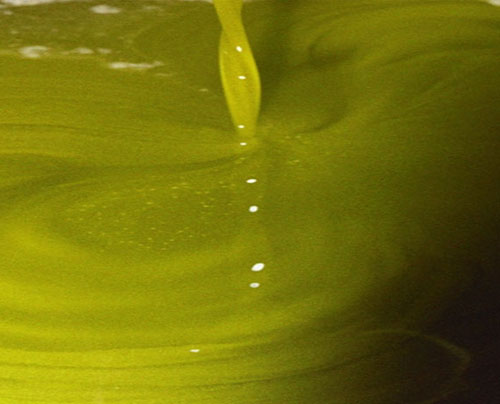
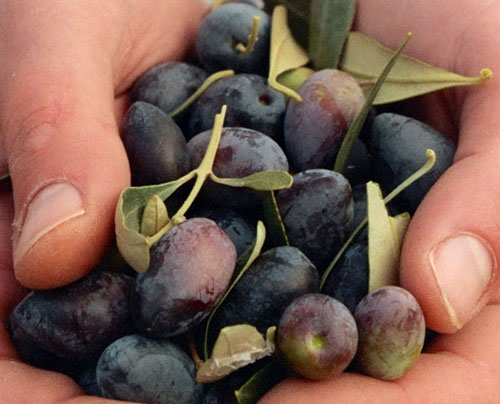
 Greece has a variety of unique olive trees, such as the Koroneiki, that do not exist in other oil producing countries. This particular variety, which gives olive oil of exceptional quality, is harvested in the most well-known regions of Greece, such as Crete, the Peloponnese, Zakynthos, etc.
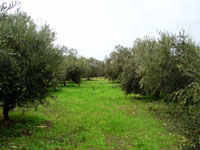 The chemical synthesis of the soil, as well as the climatic conditions, comprises vital factors for the organoleptic characteristics of the olive oil. The rocky and arid soil of Greece together with its ideal climatic conditions for olive oil (mild temperate climate, a lot of sunlight, and temperatures without great fluctuation), contribute to the production of excellent quality olive oil.
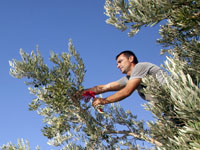 The basic characteristic of olive cultivation in Greece is the small family plot, which means that there is a special relationship with the olive tree that in the end is expressed in the production of olive oil of excellent quality. The olive tree provides occupation and income for more than 500,000 Greek families all over the country. This means that respect, special care and attention are paid to the olive tree.
 The overwhelming majority of the olive oil standardization companies in my country are also of a family nature. With modern facilities for the storage and packaging of the product, they produce a traditional product with the most advanced technology. The Greek standardization unit is in a position to satisfy every demand regarding safety, hygiene, packaging and appearance of the olive oil that the global market of the product necessitates.